How to become a UGC creator in 2026
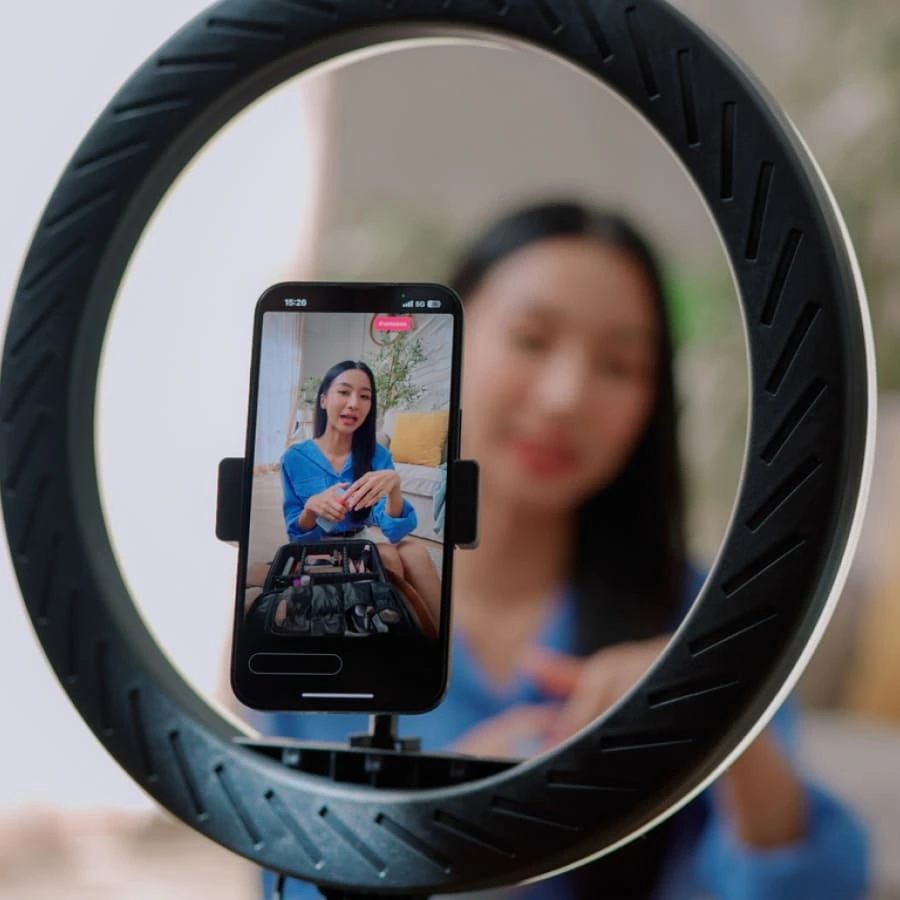
UGC allows you to collaborate with brands, even if you only have a small social media audience.
In this article, you will discover what UGC is, the key types and how to find brands to work with.
Key takeaways
- Brands want UGC because it increases customer confidence, thereby boosting conversion rates.
- UGC can take many forms, including long-form video, short-form video or photos.
- Around 40% of buyers find UGC extremely important in their decision-making, making it an important resource for brands.
- Brands like GoPro, LEGO and TripAdvisor use UGC in their campaigns.
What does UGC stand for?
UGC stands for user-generated content. It refers to promotional social media content created by individuals with smaller online followings. UGC is usually lightly scripted and has low production value. Some UGC is created organically by social media users. Brands can also pay creators to develop UGC to share on their own channels, in ads or on their website. Brands use it to build trust and become more noticed on social media.
What is a UGC creator?
A UGC creator makes promotional content that they share on their own channel or for brands to post on their own channels or in ads.
Unlike an influencer, a UGC creator isn’t promoting a brand to their own audience. UGC is made to create authentic, relatable reviews and tutorials for the brands own channels or to appear on search.
Developing UGC suits people who don’t want to build a public following or currently have a smaller audience, but are willing to learn how to create content that educates shoppers. You don’t need 50K followers or a personal brand to get started. You just need to prove that you can follow a brief and develop engaging content that explains why a product is worth buying.
While some UGC is paid, some is organic, which means that the creator shared it without the brand asking them to. Creators may post content about brands they already love, and if the brand notices it, it might repost it or reach out, but there’s no guarantee of payment for organic content like this.
Creating unpaid sample content can help you be chosen for paid work. Tailoring a couple of clips to the specific brand you’re pitching, rather than sending generic reels will increase your chances of being hired.
Whether you’re paid or not, creating UGC includes the following:
- Filming and reshoots: Brands often want multiple takes or angles
- Editing: Even simple UGC needs clean cuts, good lighting and clear audio.
- Following a brief precisely: You must be able to follow a creative brief to make content that shows the product and shares messages as the brand asked.
Why is UGC important?
More brands are investing in UGC because it feels authentic and trustworthy. It’s currently most popular on Instagram.
For brands, UGC is:
- Growing popularity: One third (33%) of European brands ran UGC campaigns in 2024. In 2025, that number grew to 44%, according to Kolsquare's State of Influencer Marketing Report.
- A budget priority: More than half (55%) of European brands and agencies plan to invest more of their marketing budget into UGC, according to Kolsquare data.
UGC helps convince customers to buy in the following ways:
- Visual impact: 81% of marketers say that user-generated visual content has a greater impact on shoppers than content created solely by professionals or influencers.
- Customer trust: User-generated content is considered the most trusted type of visual online content (33%), ahead of professional content (24%) and influencer content (18%).
- Propensity to buy: 82% of consumers are more inclined to buy from a brand that uses UGC in its marketing strategies.
When it comes to platforms, brands have preferences. Nearly a third (28%) of marketers think Instagram generates the most engaging UGC, followed by Facebook (23%), TikTok (19%), and YouTube (17%)
What are the different types of UGC?
UGC comes in different forms, each offering a unique way for users to connect with brands and share their experiences.
Common types of UGC in online content include:
- UGC photos: On platforms like Instagram, Facebook, Pinterest, and LinkedIn, users share photos of their experiences with products or services. These visuals are a valuable marketing tool for brands, helping them use this authentic content to strengthen their online presence.
- Video UGC: Instagram, TikTok, and YouTube are prime locations for user-generated videos, including tutorials, product reviews and entertaining video content. Videos quickly grab attention and are used by brands for ads.
- Opinions and ratings: Feedback in the form of unboxing videos, product reviews or written comments provides valuable insights for potential consumers. It can influence purchasing decisions and build trust in a brand or product. For example, Starbucks encouraged people to share their experiences and feelings about adding their chosen names to cups through #WhatsYourName.
- Testimonials: Customer videos, case studies, and reviews are first-hand accounts of positive experiences with a brand or product. These authentic accounts have a considerable impact on a brand's credibility.
- Competitions: Competitions encourage users to generate content around specific themes or challenges, increasing brand visibility and engagement.
Each type of UGC allows users to interact with companies in creative and authentic ways, sharing their experiences, opinions, and creativity.
Integrating these different forms of content into marketing strategies can improve authenticity, engagement and trust in the brand.
How do you become a UGC creator?
You become a UGC creator by building a small portfolio of sample content, setting up somewhere brands can find you, then pitching directly or through UGC platforms while pricing your work properly from the start.
Build a portfolio
It’s worth developing a handful of sample videos for products you already own and like. Use the formats brands actually buy, like unboxings, demos, testimonials or "get ready with me" style content. This is unpaid work, but it's how you prove you can deliver before anyone hires you.
Set up a UGC account
You don't need a big following, but you do need somewhere a brand can review your work quickly. This could be a TikTok or Instagram account showing your best clips, or a media kit built through an app like Kreators. A brand should be able to see what you do and how you do it within a minute.
Find brands and pitch
There are three main routes into paid work:
- Direct pitching: Reach out to brands whose products you already use, with a short message and a link to your samples.
- UGC marketplaces and creator platforms: These connect brands actively looking for UGC creators with people who fit their niche.
- Agencies: Some agencies represent UGC creators and manage the brand relationship for you.
A short, specific pitch with relevant samples attached will always beat a generic message sent to dozens of brands at once.
Price your UGC properly
Most UGC is priced per deliverable, so per video or per piece of content.
A few things should always cost extra on top of your base rate:
- Usage rights: How long and where the brand can run your content, especially if it's going into paid ads.
- Exclusivity: Agreeing not to work with competing brands for a set period.
- Revisions: How many rounds of changes are included before you charge more.
Paid ad usage or whitelisting should always cost more than a single organic post, since the brand is getting far more value from the content. Don't undercharge just to land your first job. It's hard to raise a low rate later, and it resets what a brand expects to pay you going forward.
Contract and disclose
Agree the deliverables, usage rights and payment in a contract before you start any work. Usage rights are the thing UGC creators most often give away too cheaply, so explain them clearly in every contract. A video licensed for a year of paid ads should cost more than a video shared once on social media.
If your content is used in an advert or a labelled partnership, it needs to be identifiable as advertising under UK ASA and CMA rules. This is a general principle rather than legal advice, so check current ASA and CMA guidance before agreeing terms with a brand.
Why do brands want UGC?
UGC is proving valuable at every stage of the buying journey. It helps boost engagement, trust and, ultimately, conversions.
Consumers no longer make decisions based on a single channel. They compare, scroll, validate and cross-check products before buying. Customer-created content serves as social proof that can be used across social networks and other channels, including email, landing pages and paid media.
Here is a breakdown of why brands value UGC:
- Authenticity at scale: In a saturated digital market, UGC stands out because it feels real. Shoppers trust genuine content over highly scripted ads. Content can reach a broad audience through social networks, emails, and landing pages, naturally spreading the brand's message.
- Trust, credibility and social proof: UGC shows that other consumers have not only bought your products but are satisfied with them. As Carmen Torres, Influence Consultant at Madrid digital marketing agency LLYC, notes in the Kolsquare UGC in 2026 report: “We’re moving towards person-to-person communication. We’re trusting the experience of people like us, people we identify with. And that’s leading to higher engagement, better retention and ultimately more sales.”
- Improved engagement: By involving users in content creation, UGC encourages interaction and fosters a community around the brand. The original creator can interact with shoppers in comment sections, creating a community.
- SEO leverage: UGC generates fresh content that can improve a brand's ranking on Google and social media searches.
- In-depth understanding of customers: Analysing UGC enables brands to gather valuable data and insights into consumer preferences and behaviour, helping to refine products and marketing strategies.
What are examples of user-generated content?
Let's take a look at some UGC social media marketing examples.
GoPro: community involvement
GoPro uses UGC to boost its presence on social networks. The brand actively encourages fans to share captivating images of their adventures and often reuses the content for marketing campaigns.
GoPro’s campaign uses regular photo challenges to engage the community and reinforce the brand's association with extreme experiences and breathtaking landscapes. Often it offers a cash prize for the best content. The hashtag #gopro has been tagged over 50M times on Instagram.
Nip + Fab: relatable reviews
Nip + Fab uses UGC that acts as social proof. Unlike a heavily scripted ad, the content feels like a friend recommended the product. The brand shares the content on its social media pages to build a pool of explainers and reviews for its products.
Best practices for developing UGC in 2026
To maximise the impact of your UGC, you can:
- Use strategic hashtags: Develop unique, memorable hashtags for each UGC campaign or initiative. Hashtags make it easier to collect and organise content, increase campaign visibility on social platforms and help you track the volume and reach of content being generated around your brand.
- Diversify content formats: Don't limit yourself to a single format. You can try photos, videos, testimonials and reviews. Content that feels native to TikTok will not necessarily perform the same way on Instagram or in a paid media context.
- Create shareable content: Design your UGC so that it's easy for brands to share. This includes creating attractive visual content, engaging messages, and clear calls to action that encourage sharing on social networks.
- Integrate shoppable content: Simplify the buying process by integrating e-commerce functionality directly into your UGC. For example, posts on Instagram or Pinterest can include direct links to product pages, making purchasing just one click away.
Start creating UGC that brands love today
UGC is a great way to earn money as a smaller creator who enjoys making product-focused content. But you still need to create content brands like and promote yourself.
You can use the Kreators app to build a media kit that proves you're serious about UGC. You can include all the data you need, such as your contact information, examples of your work and past collaborations.
FAQ
What is a UGC creator?
Someone who makes authentic-style content for brands to post on their own channels, usually without needing a large personal following.
Do you need followers to be a UGC creator?
No, many brands are looking for UGC creators who can produce quality content, rather than those with large follower counts. That said, some brands and UGC platforms may require you to have a certain number of followers to apply.
How much do UGC creators charge?
How much UGC creators charge varies. Rates are usually set per video, with more charged for usage rights, ad use, exclusivity and revisions.
How do UGC creators find work?
Most UGC creators find work by pitching to brands or by joining UGC marketplaces, creator platforms or agencies.
Is UGC the same as influencer marketing?
No. When influencer marketing, brands promote their products to a creators audience. UGC campaigns produce authentic reviews, unboxings and tutorials for brands to use for their own channels, paid advertising or SEO.